





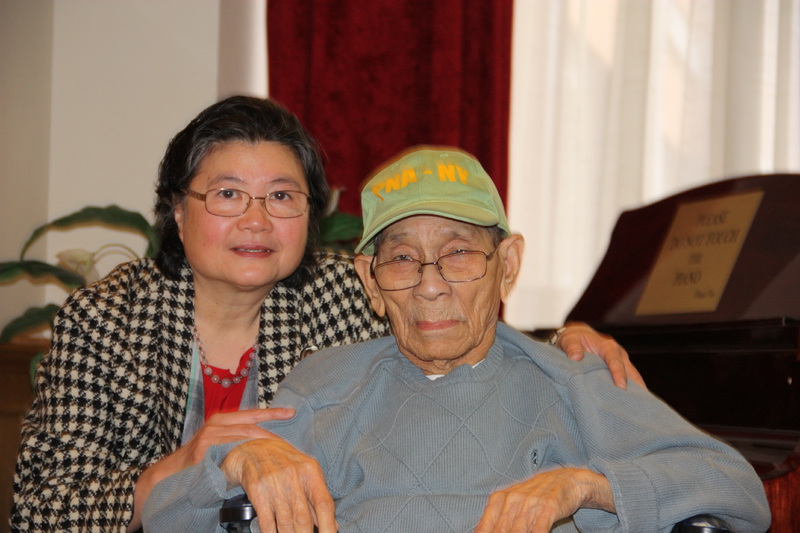


WELCOME to TNO MEDIA NETWORK: "Broadcasting the Heart of Community"
The Nursing Office Media Network is the broadcast arm of The Nursing Office.Com, a nurse‑led public health institution dedicated to storytelling, education, and community empowerment.
We produce documentaries, tributes, features, and multimedia programs that illuminate the lived experiences of individuals, families, and communities — and the nurses who stand with them.
Our channel serves as a living archive and ceremonial stage, where public health, ancient wisdom, and modern narratives meet. Through film, conversation, and creative media, we honor unsung heroes, elevate community voices, and advance a new vision of whole‑person care.
Here, public health becomes personal.
Here, stories become movements.
Here, we build a legacy of healing, leadership, and collective transformation.
Featured Themes:
- Community and Public Health Delivery System
- Nurse‑led innovation and advocacy
- Documentaries and ceremonial storytelling
- Emotional intelligence and human development
- Legacy, remembrance, and cultural narratives
- The Nursing Office’s 20‑year archive and evolving productions
The Nursing Office Media Network is more than a channel — it is a movement, a platform, and a home for the stories that shape our shared humanity.
Mission Statement
The Nursing Office Media Network exists to elevate the voice of nursing as a cultural, scientific, and community force. We create multimedia content that informs, inspires, and empowers individuals and communities by bringing together the art of storytelling and the science of care. Through television, radio, podcasts, documentaries, and digital media, we champion whole‑person health, celebrate human experience, and advance a nurse‑driven vision where care meets culture.
This mission statement does several important things:
1. It positions us as a cultural and scientific institution
Not just a broadcaster — a force that shapes public understanding and community well‑being.
2. It honors nursing as both art and science
The network becomes the bridge between evidence‑based care and human storytelling.
3. It embraces The Nursing Office.Com’s full-circle philosophy
Whole‑person health is explicitly named: physical, emotional, social, cultural, and beyond.
4. It includes all media formats
TV, radio, podcasts, documentaries, digital platforms — all under one umbrella.
5. It reflects The Nursing Office.Com’s ceremonial, legacy-driven identity
“Where care meets culture” becomes the living heartbeat of the mission.
Core Values of The Nursing Office Media Network
1. Integrity in Care
We uphold the highest standards of nursing ethics, scientific accuracy, and professional responsibility in every story we tell and every message we broadcast.
2. Humanity at the Center
We honor the lived experiences, cultures, and voices of individuals and communities, recognizing that health is shaped by the full spectrum of human life.
3. Whole‑Person Wellness
We embrace a 360‑degree view of health — physical, emotional, social, financial, cultural, and spiritual — and reflect this holistic philosophy in all our content.
4. Cultural Stewardship
We preserve, celebrate, and elevate the cultural narratives that shape community identity, legacy, and collective well‑being.
5. Nurse‑Led Leadership
We champion the wisdom, expertise, and leadership of nurses as essential voices in shaping public understanding, community empowerment, and societal transformation.
6. Community Empowerment
We create media that informs, uplifts, and equips individuals and communities to make healthier, more empowered choices.
7. Excellence in Storytelling
We commit to producing high‑quality, compelling, and meaningful content that reflects the dignity, complexity, and beauty of the human experience.
8. Innovation with Purpose
We embrace new technologies, creative formats, and emerging platforms to expand access, deepen engagement, and advance our mission.
9. Inclusivity & Representation
We ensure that diverse cultures, identities, and perspectives are seen, heard, and valued across all our programming.
10. Legacy & Continuity
We honor the past, document the present, and shape the future — preserving stories, traditions, and knowledge for generations to come.
C O M I N G S O O N
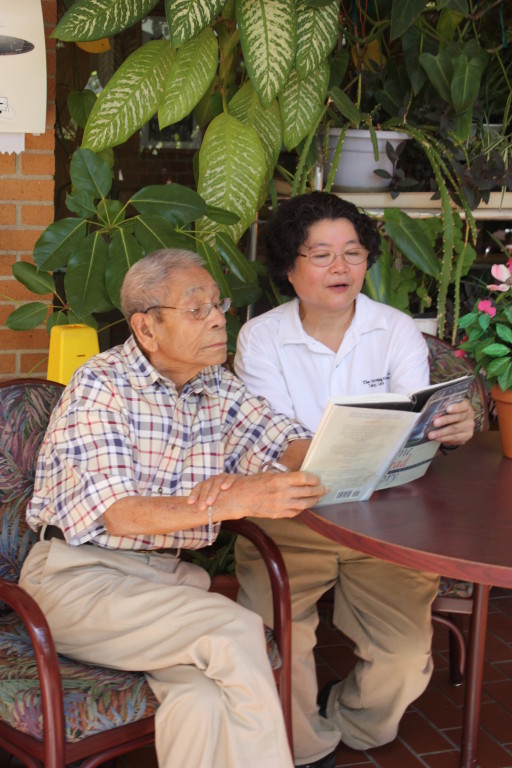
This is “A Day in the life of a gerontological nurse” …
By Myrna D. Santos, MSN,RN
I’m an ICU nurse for over 30 years taking care of our veterans, specializing on geriatrics. While I am delighted with the final phase of life… as I enjoy narratives of their lives, with all the wisdom gained through their ages, I’m saddened as well with the problems that accompany them: depression, homelessness, malnutrition/failure to thrive, financial and physical dependence, verbal abuse and neglect.
While their physical space has shrunk smaller in that nursing home, their needs back to the basics: roof over their heads, food in their stomach, and clothing in their back. Surround them with memories of their rich lives: photos of their loved ones, a phone to connect with friends and families, TV for entertainment and stimulation, snacks to promote their nutrition, a clock and calendar to keep them oriented, religious memorabilia to maintain their faith. Take care in your choice of colors in their room: red blankets, a sign of life. Think safety, walkers, and comfortable shoes as they need.
As the aging population is growing, I felt that I should make the aging process as pleasant and peaceful experience through gerontology, the art and science of aging. My goal is to provide quality care to the elderly and prepare them to move forward as we plan together on “How to celebrate their 100th birthday".
BAGNC Contest Winner: http://www.youtube.com/watch?v=sMGWbBiV_P8
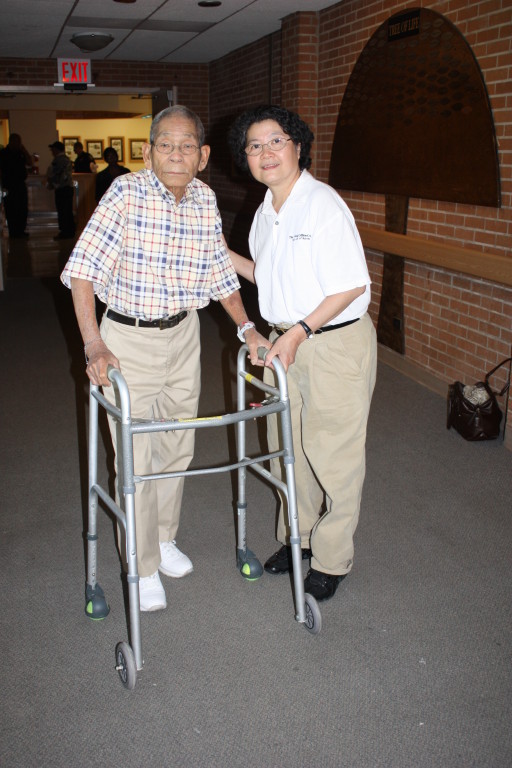
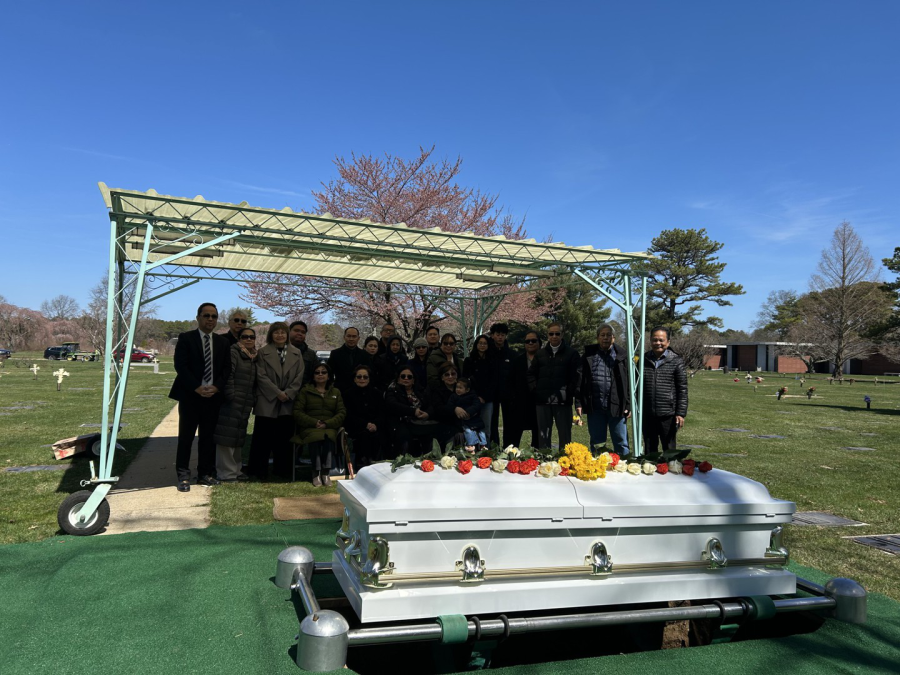
Sweet Homecoming
At ninety-five years old, I have no more fear of anything, more so of death. While the reality of aging was everywhere, I have surrendered my destiny to God’s Will. I have painted the greatest mural of my life, with all my dreams and life’s works. I have mastered my body; I have prepared my soul. I know what to do and I am happily waiting. I will meet God, my Father, with all the grandeur of the Promised Paradise, that no words can justly describe but “Heaven.” I was blessed with good memory, my marbles shiny, intact as ever. I will ask my ward to give me a bath and put on my dress to prepare me for the journey when my soul takes that last glimpse of the world where I lived, to go to the next, where there is eternal peace.
I will transform while in my deep sleep dreaming of my garden with all the flowers in bloom as the gate opens with all my loved ones in joyous reunion. Life is sweet to be enjoyed with my family and friends. Near or far, it is just the same, it does not matter, but the attachment of a common bond of love, respect and caring, in words, in thoughts, good and happy memories indeed, without regrets. To me, I am home at last, until we all will meet again.
~Irene Moraga Lumbrera
Myrna D. Santos
05.2026
SEARCHING for the LIMELIGHTS
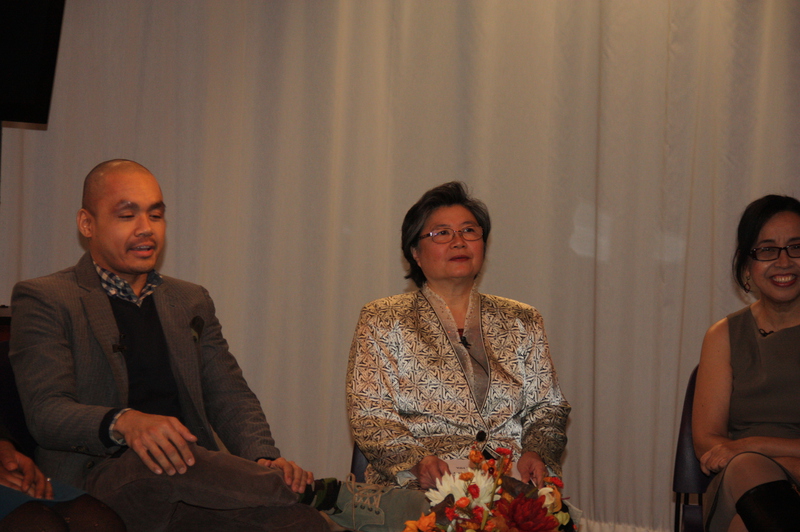
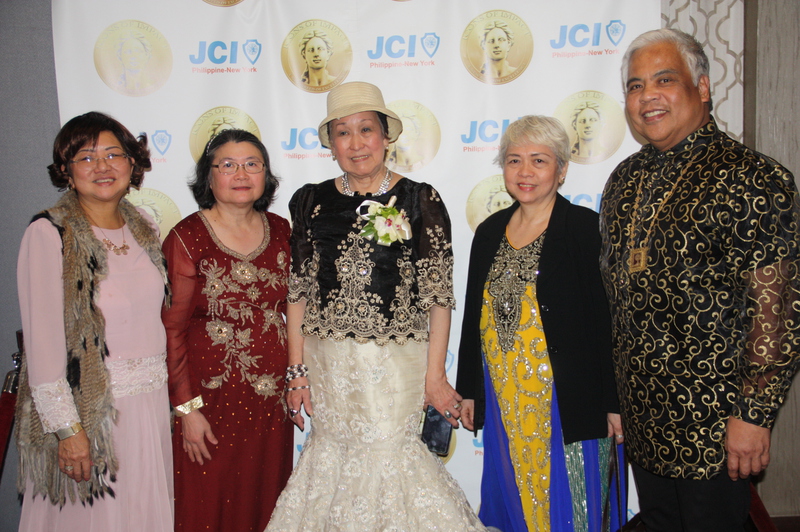
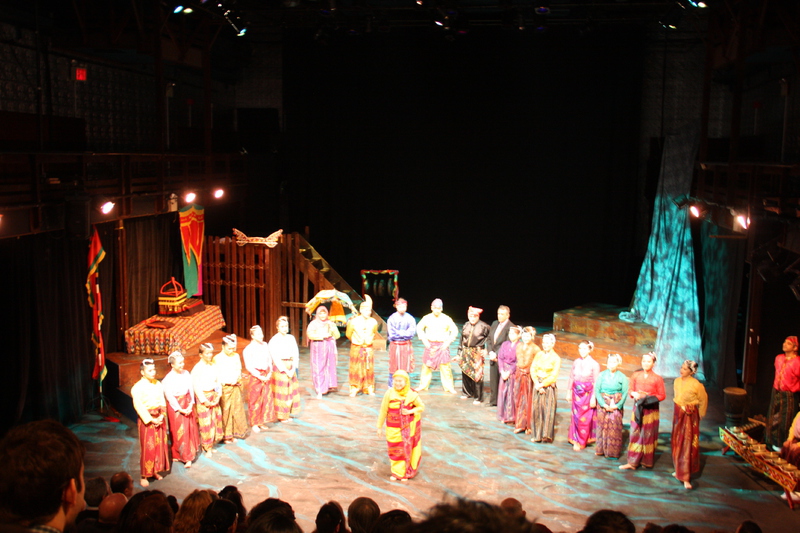

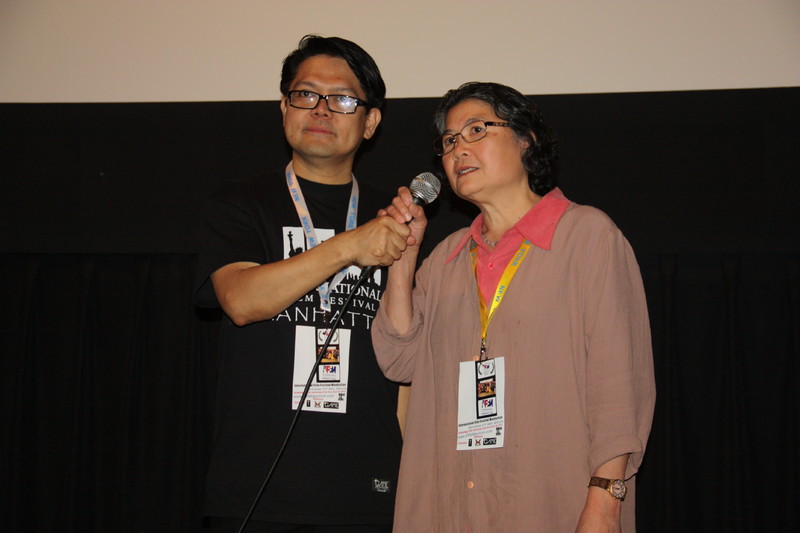
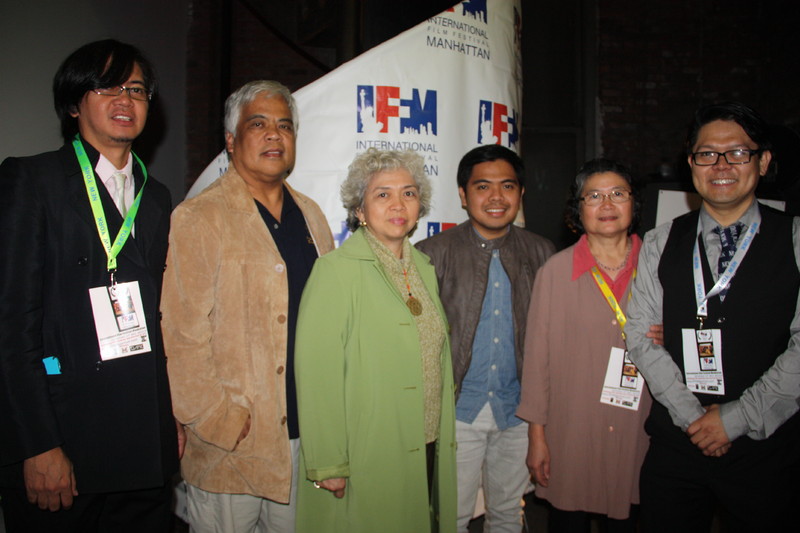

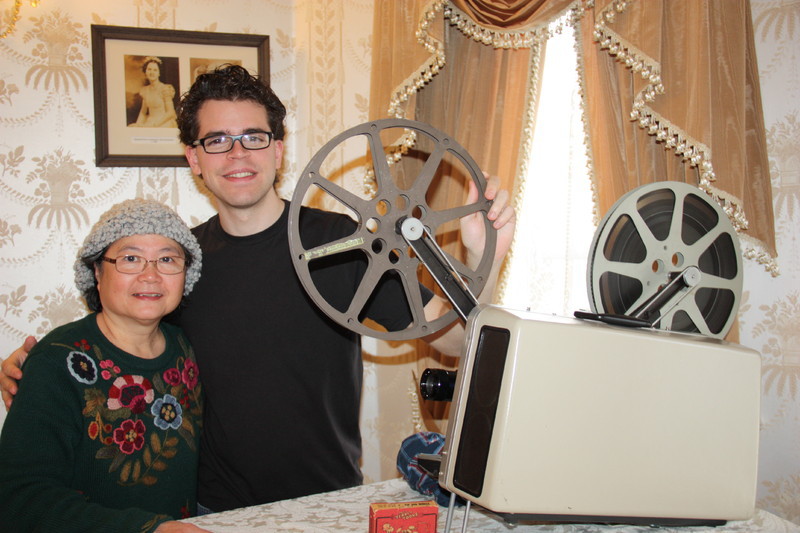
EARLY ROLLS
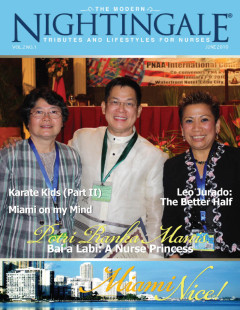
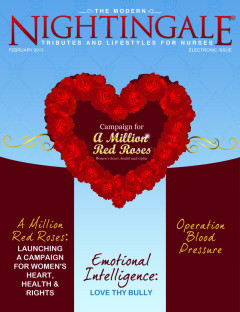
IN PRINT
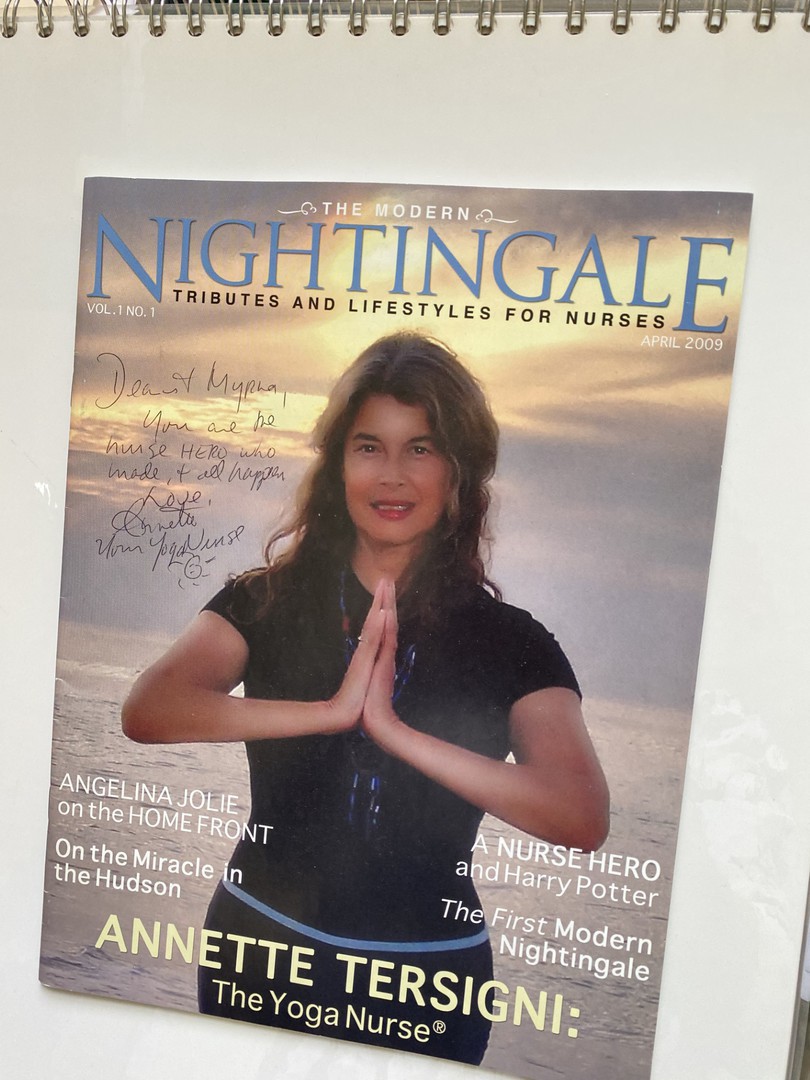
The MAGAZINE

The BOOK
ON STAGE

ART GALLERY
Public Health Broadcasting & Production: Foundations for Institutional Media Work
A Short Foundational Workshop for TNO Media Applicants and Trainees
I. Workshop Purpose
To prepare applicants, trainees, and emerging hosts for professional roles within TNO Media, the broadcast arm of The Nursing Office.Com, by teaching the essential principles, standards, and practices of Public Health Broadcasting.
This workshop introduces the institutional voice, visual identity, production discipline, and ceremonial presence required for successful participation in TNO Media.
II. Learning Objectives
Participants will learn to:
- Understand Public Health as a broadcast discipline.
- Deliver content using the institutional voice of TNO Media.
- Apply the Broadcast Identity Package in on‑air and production work.
- Perform basic broadcast tasks with professionalism and clarity.
- Uphold the ethical, doctrinal, and ceremonial standards of the institution.
III. Workshop Structure (Short Format)
- Public Health as the architecture of human life
- Broadcasting as a public‑health service
- The Nursing Office.Com legacy and its 20‑year doctrinal foundation
- TNO Media’s role in the ecosystem
Outcome: Participants understand the philosophical and institutional basis of the broadcast.
Module 2 — The Institutional Voice
- Ceremonial tone
- Declarative delivery
- System‑level framing
- Avoiding commercial, casual, or entertainment language
- The Opening Line and Closing Line
- Host presence and on‑air discipline
Outcome: Participants can speak on‑air with clarity, dignity, and institutional authority.
Module 3 — Visual & Motion Identity
- Color sovereignty
- Typography rules
- Insignia and mandala geometry
- Title cards, lower thirds, and topic identifiers
- Motion identity: slow, deliberate, ceremonial
- Avoiding commercial pacing
Outcome: Participants understand how to maintain visual and motion consistency across all broadcasts.
Module 4 — Production Fundamentals
- Pre‑production workflow
- Script preparation in institutional voice
- Segment structure
- On‑air framing and transitions
- Technical basics: lighting, audio, camera presence
- Working with the Broadcast Operations Manual
Outcome: Participants gain practical skills for studio and field production.
Module 5 — Ethics, Accuracy, and Public‑Health Integrity
- Accuracy in public‑health communication
- Avoiding sensationalism
- Neutrality and dignity
- Accessibility standards
- Community respect and cultural sensitivity
- The role of Public Health in shaping narrative
Outcome: Participants understand the ethical responsibilities of a public‑health broadcaster.
Module 6 — Certification Exercise
Participants complete a short, structured assignment:
- Deliver the Opening Line
- Present a 60‑second segment using institutional voice
- Demonstrate proper on‑air posture and pacing
- Apply visual identity rules to a mock title card
- Submit a short reflection on Public Health Broadcasting as a career path
Successful completion earns:
Certificate of Readiness — Public Health Broadcasting Foundations Issued by The Nursing Annex.
IV. Who Should Attend
- Media applicants
- Aspiring hosts
- Production assistants
- Annex students pursuing Public Health Communication
- Community members preparing for on‑air participation
- Staff transitioning into broadcast roles
V. Workshop Duration
3 hours total
- 6 modules × 25 minutes each
- 30‑minute certification exercise
- Optional 30‑minute Q&A with Annex faculty
VI. Institutional Positioning
This workshop becomes the official gateway for anyone entering TNO Media:
- Required for all new hosts
- Required for production trainees
- Recommended for community contributors
- Integrated into Annex curriculum tracks
- Serves as the foundation for advanced courses in Public Health Broadcasting
VII. Deliverables for The Annex
Course Syllabus
Public Health Broadcasting & Production
A Foundational Certificate Course for TNO Media Applicants and Trainees
Course Description
This course introduces students to the principles, standards, and practices of Public Health Broadcasting as defined by TNO Media, the broadcast arm of The Nursing Office.Com. Students learn the institutional voice, visual identity, production discipline, and ceremonial
presence required to participate in public‑health media at a professional level.
This course is required for all new hosts, production trainees, and media applicants entering the TNO Media ecosystem.
Course Objectives
By the end of this course, students will be able to:
- Understand Public Health as a broadcast discipline.
- Deliver content using the institutional voice of TNO Media.
- Apply the Broadcast Identity Package in all on‑air and production work.
- Demonstrate foundational studio and production skills.
- Uphold ethical, doctrinal, and ceremonial standards in public‑health communication.
- Produce a short broadcast segment using institutional protocols.
Course Format
Duration: 3 weeks
Structure: 6 modules + final certification
Delivery: Hybrid (Annex classroom + TNO Media studio)
Assessment: Practical demonstration + doctrinal comprehension
Credential: Certificate of Readiness — Public Health Broadcasting Foundations
Course Modules
Module 1 — Public Health Broadcasting as a Discipline
Topics:
- Public Health as the architecture of human life
- The Nursing Office.Com legacy
- TNO Media’s institutional mandate
- Broadcasting as a public‑health service
Competency: Students understand the philosophical and institutional basis of the broadcast.
Module 2 — The Institutional Voice
Topics:
- Ceremonial tone and declarative delivery
- System‑level framing
- Avoiding commercial or conversational language
- The Opening Line and Closing Line
- Host presence and on‑air discipline
Competency: Students can speak on‑air with clarity, dignity, and institutional authority.
Module 3 — Visual & Motion Identity
Topics:
- Color sovereignty
- Typography rules
- Insignia and mandala geometry
- Title cards, lower thirds, topic identifiers
- Motion identity: slow, deliberate, ceremonial
Competency: Students maintain visual and motion consistency across all broadcasts.
Module 4 — Production Fundamentals
Topics:
- Pre‑production workflow
- Script preparation in institutional voice
- Segment structure
- Studio basics: lighting, audio, camera presence
- Working with the Broadcast Operations Manual
Competency: Students gain practical skills for studio and field production.
Module 5 — Ethics, Accuracy, and Public‑Health Integrity
Topics:
- Accuracy in public‑health communication
- Avoiding sensationalism
- Neutrality and dignity
- Accessibility standards
- Cultural sensitivity and community respect
Competency: Students understand the ethical responsibilities of a public‑health broadcaster.
Module 6 — Professional Conduct & Institutional Protocols
Topics:
- On‑air comportment
- Internal communication standards
- Working within the TNO Media hierarchy
- Archival discipline and documentation
- Ceremonial broadcasts and institutional events
Competency: Students demonstrate readiness for professional participation in the institution.
Final Certification Exercise
Students complete a structured assessment:
- Deliver the Opening Line on camera.
- Present a 60‑second segment using institutional voice.
- Demonstrate proper posture, pacing, and on‑air presence.
- Apply visual identity rules to a mock title card.
- Submit a short doctrinal reflection on Public Health Broadcasting.
Successful completion earns:
Certificate of Readiness — Public Health Broadcasting Foundations
Issued by The Nursing Annex.
Course Requirements
Required Materials
- Annex Workbook (provided)
- Broadcast Operations Manual
- Access to TNO Media studio or virtual studio environment
Prerequisites
None. This is the foundational course for all media applicants.
Evaluation
- 40% On‑air performance
- 30% Production discipline
- 20% Doctrinal comprehension
- 10% Professional conduct
Passing requires demonstration of institutional readiness.
Institutional Positioning
This course is the gateway to all advanced media roles within TNO Media:
- Host training
- Producer development
- Segment writing
- Studio operations
- Public‑health communication leadership
It is the foundation of a career in Public Health Broadcasting.
 Print
Print