







Special Editorial: LEADERSHIP & VISION | FALL 2026
When the Circle Meets the Turtle: Building a Public Health Movement on the Shoulders of Gloria Steinem
How two enduring philosophical doctrines are reshaping the architecture of The Nursing Office.Com — and what they mean for the future of community health delivery.
I did not know Gloria Steinem, not really. I knew of her the way many of us know our elders in the movement: at a respectful distance, aware of their significance without yet having absorbed the full depth of their gifts. When she passed earlier this year at ninety years old, I found myself, like so many others, turning toward her legacy with fresh eyes and a kind of grateful urgency. What I discovered stopped me in my work and sent me back to my drawing board, not to start over, but to go deeper.
What I found in Steinem's philosophical teachings, particularly what I have come to understand as her Circle Doctrine and her Turtle Doctrine, was not something foreign to the work of The Nursing Office.Com. It was the language I had been reaching for. It was the doctrine that had been living, unnamed, inside everything we were already trying to build.
The Organization That Wanted to Be a Movement
The Nursing Office.Com began with a commitment that was simple in its statement and vast in its implication: that community and public health must be delivered by, with, and for the people it serves. Not to them. Not at them. With them.
For years, we built networks. We established the Office of Network Development. We designed delivery systems, cultivated partnerships, and held firm to values of equity, sovereignty, and community-centered care. We were doing the work. But there was something missing, a philosophical architecture sturdy enough to hold the weight of what we were called to become.
There is a critical difference, I have come to believe, between an organization and a movement. An organization delivers services. A movement changes the conditions that make those services necessary in the first place. TNO has always aspired to be the latter. What we lacked was the doctrine to make that aspiration operational, to make it teachable, transmissible, and enduring. Gloria Steinem gave us the keys.
The Circle — When Every Voice Is Infrastructure
Steinem's Circle Doctrine holds a truth so simple it is almost radical: the circle has no head. There is no seat of greater dignity, no voice of diminished worth. The circle is the most ancient form of human gathering, and it is, I would argue, the most underused structure in modern public health.
We have built our health systems in pyramids. Expertise flows down from specialists to generalists to community health workers to patients, who sit, passively, at the very bottom. The information, the authority, the decision-making power: all of it concentrated at the top. And then we wonder why communities feel disconnected from the systems that are supposed to serve them.
The Circle Doctrine demands something different. It insists that community wisdom, the knowledge a grandmother carries about her neighborhood, the understanding a home health aide holds about her clients' lives, the voice of the person who has navigated the system and found it wanting, is not anecdotal. It is clinical. It is structural. It is data.
Within TNO's Office of Network Development, we have now formally adopted the Circle Doctrine as a governing framework. It means our networks are designed with circular consultation at their core. It means governance proceeds not by command, but by consensus-seeking. It means that silencing any voice within our network is treated as an infrastructural failure, as serious as losing a critical health resource. Because it is.
The Turtle — On the Sacred Wisdom of Protected Progress
If the Circle Doctrine is about openness, the Turtle Doctrine is about protection. And in public health, we do not talk nearly enough about protection.
The turtle carries its home, its shelter, its essential self, its sovereignty, at all times. It does not need external permission to exist. It does not move faster than its wisdom allows. And yet the turtle endures. It arrives. Across centuries of mythology, biology, and Indigenous teaching, the turtle has stood as a symbol of something we in institutional health delivery have chronically failed to honor: the right of a community to move at the speed of its own healing.
We have rushed communities. We have parachuted in with programs designed elsewhere, funded for eighteen months, evaluated at twelve, and declared successful or abandoned before the community has had time to trust us, let alone heal. We have called this efficiency. Communities have called it what it is: exposure without protection.
Steinem's Turtle Doctrine calls us back to something foundational. It names sovereign pacing not as a luxury but as a prerequisite. It insists that progress made without protection is not progress, it is simply a faster form of harm.
For TNO, this doctrine now governs how we design and assess our networks. Our Protective Architecture Audit, a formal review embedded in every network launch, asks the hard questions before we ever open our doors: Is there a community grievance mechanism? Are there data sovereignty protections? Are there anti-displacement safeguards? Does this community retain the right to reshape or end this network if it no longer serves their vision? If the answer to any of these questions is no, we are not ready. We move at the speed of trust.
A Framework Born from Two Doctrines — Sovereign Wholeness
What happens when the Circle and the Turtle meet? When radical openness is held within protective sovereignty?
You get what we at TNO have named the Framework of Sovereign Wholeness, our integrated operational standard for every network we develop. It holds a deceptively simple principle: no network is complete unless it simultaneously embodies circular inclusion and turtle-like protection. Open to all who seek to serve. Anchored by protection that never moves.
This framework is now published in our foundational institutional paper, a doctrinal text that lives on TNO's organizational site and will govern our Office of Network Development for years to come. It is not a strategic plan. It is not a grant deliverable. It is a covenant, with our communities, with our partners, and with the philosophical inheritance we have received from leaders like Gloria Steinem.
I want to be clear about something: we are not appropriating her legacy. We are receiving it, the way any next generation of movement builders receives the gifts of those who came before, with gratitude, with attribution, and with the solemn commitment to carry it forward faithfully and creatively into new territory.
What This Means for Nursing and Public Health Leadership
I am speaking directly to you now, the nurses, the public health practitioners, the community health workers, the administrators and advocates who read this magazine because you believe, as I do, that healthcare is a relational and moral enterprise before it is a technical one.
We are at a threshold moment. The communities we serve are asking more of us than ever — not just competent care, but trustworthy institutions. Not just services, but systems that see them as sovereign architects of their own health. They are asking us to gather in circles and to move with the protection of turtles.
The philosophies of Gloria Steinem did not emerge from healthcare, but they speak to everything broken and everything possible within it. The Circle Doctrine and the Turtle Doctrine are not frameworks you have to adapt significantly to apply. They are frameworks that reveal what health equity has always required and what our institutions have chronically resisted delivering.
I encourage every nursing leader, every health system executive, every community health organization reading these words: ask yourself whether your governance looks more like a pyramid or a circle. Ask yourself whether your networks carry their protection within them, or whether you have outsourced community sovereignty to funding timelines and compliance frameworks. Ask yourself whether you are building an organization, or a movement.
TNO is building a movement. And we invite you, in the spirit of the circle, to pull up a seat.
Standing on Her Shoulders, Reaching for the Next Level
I did not know Gloria Steinem. But I know what she gave us. She gave us language for the things we already believed but had not yet named. She gave us permission to be principled before we are pragmatic, to be philosophical before we are structural, to be whole before we are efficient.
The Nursing Office.Com is stepping into its next chapter, not as a provider network that has grown larger, but as a movement that has grown deeper. The foundational doctrinal paper we have published is our opening statement. The networks we build in the years ahead will be our proof.
To Gloria Steinem: thank you. We received your gifts, and we intend to earn them.
To our community: the circle is open. Pull up a seat. The turtle is moving. We will arrive together.
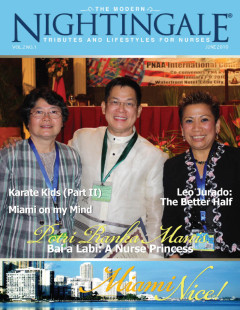
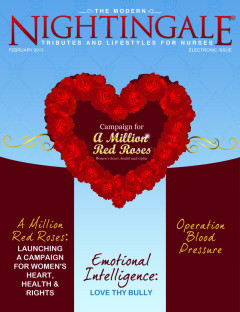
MYRNA D. SANTOS, MSN, PHN, RN | FOUNDER & EXECUTIVE DIRECTOR, THE NURSING OFFICE.COM | PUBLISHED IN THE MODERN NIGHTINGALE MAGAZINE | FALL 2026
AFFILIATIONS & PARTNERS
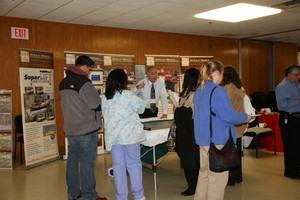
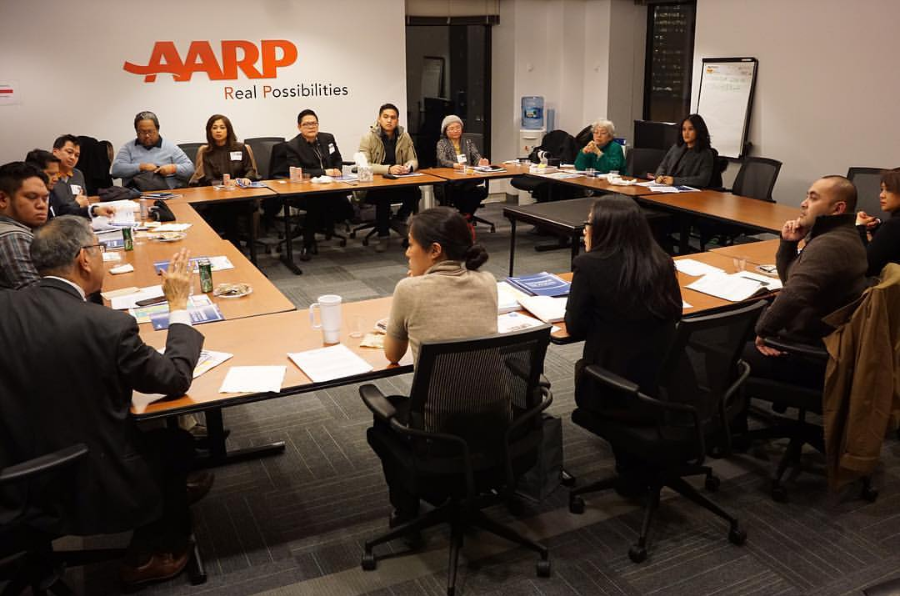 AARP Meet & Greet with FIL-AL Communities in New York (2016)
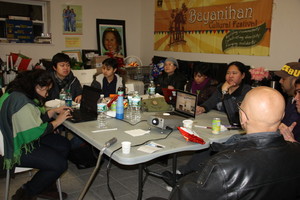
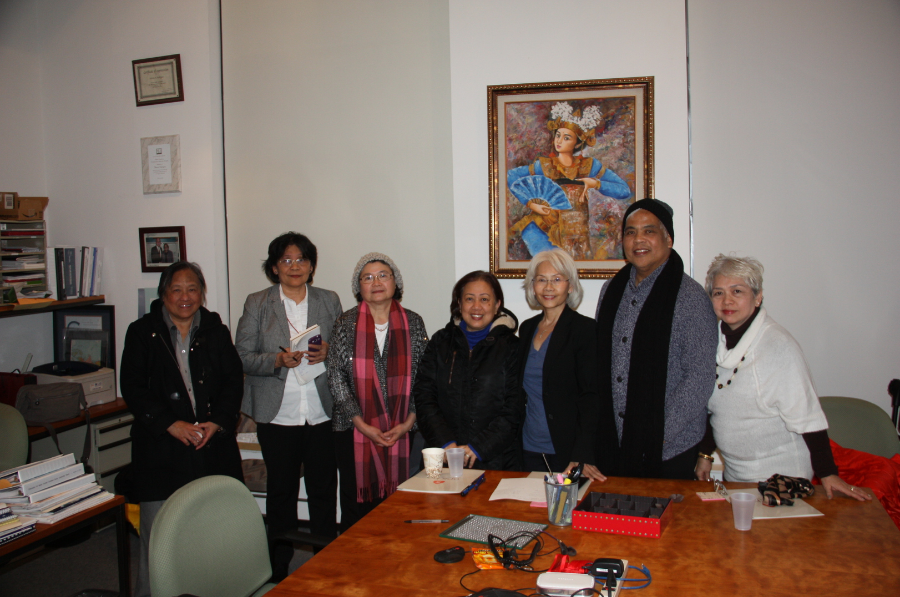 Round-table Meeting with APICHA Community Health Center 1/27/2016
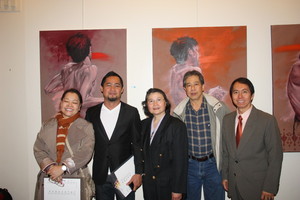
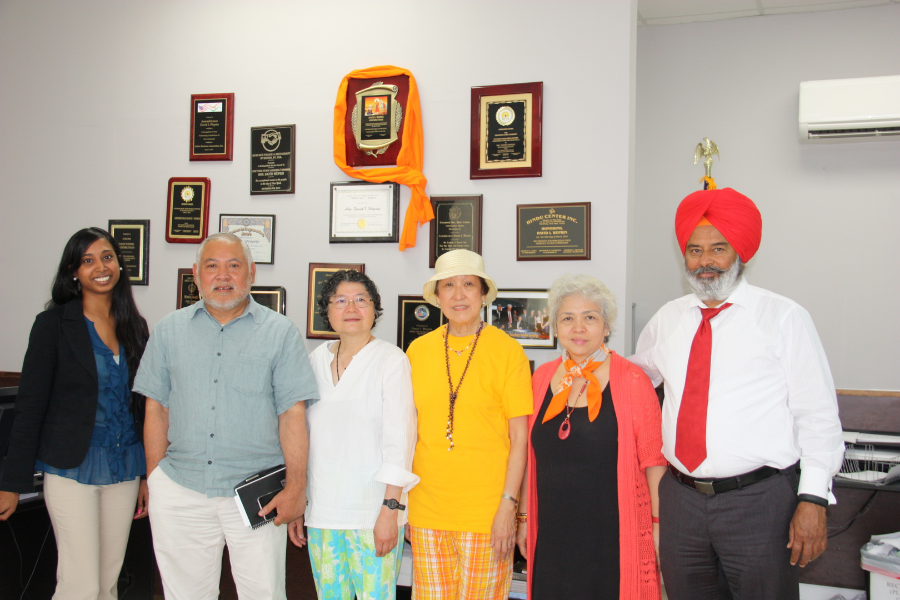 Meeting with Assemblyman David Weprin (Richmond Hill) 2015
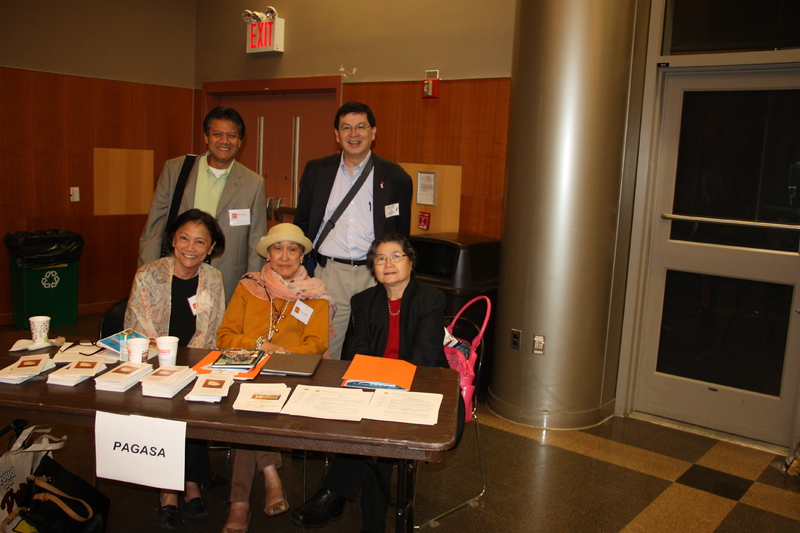
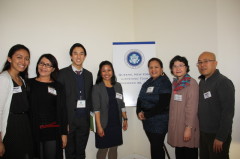
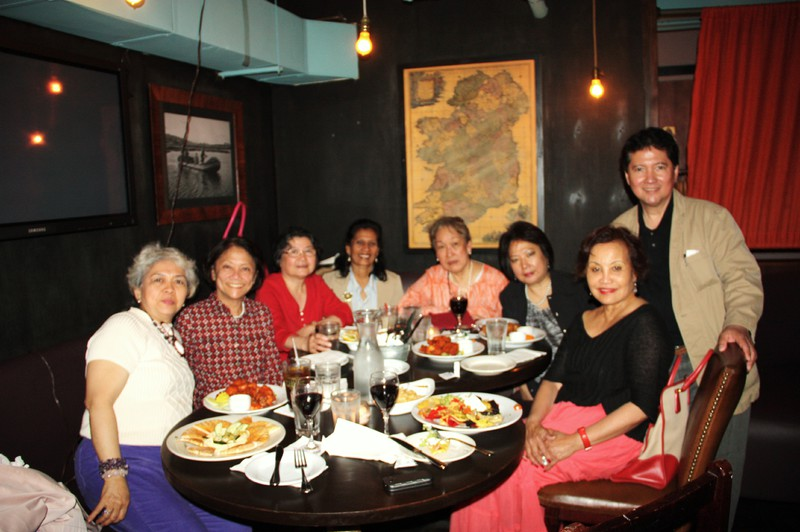 THE NURSING OFFICE and PAGASA Coalition, May 2014
Health & Wellness Circle
Entrepreneur's Circle
Match my Spirit Dating Circle
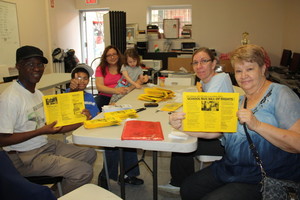
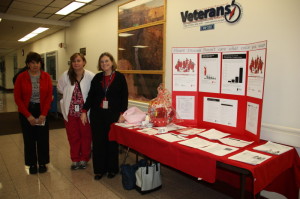
 Navigating Care Givers Maze with AARP 2015
VOELKER ORTH MUSEUM (Victorian Garden & Bird Sanctuary)
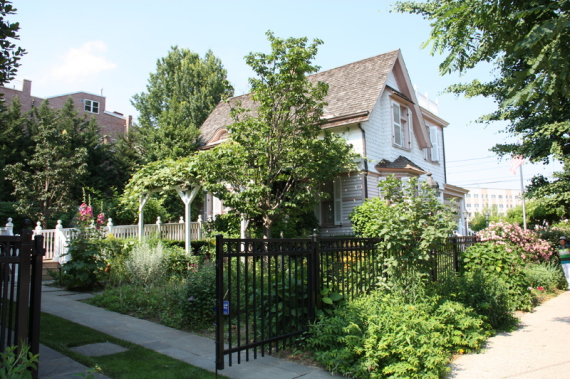 VOELKER ORTH MUSEUM (Victorian Garden & Bird Sanctuary)
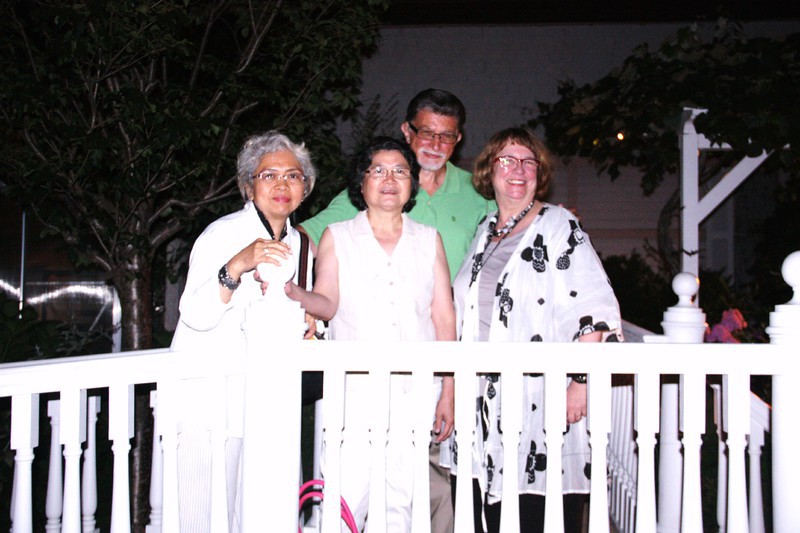 The Nursing Office, Ludy Resurreccion and Myrna D. Santos, with Voelker Orth Board President, Fred Berger and Museum Director, Debbie S.(08/02/2014)
www.vomuseum.org
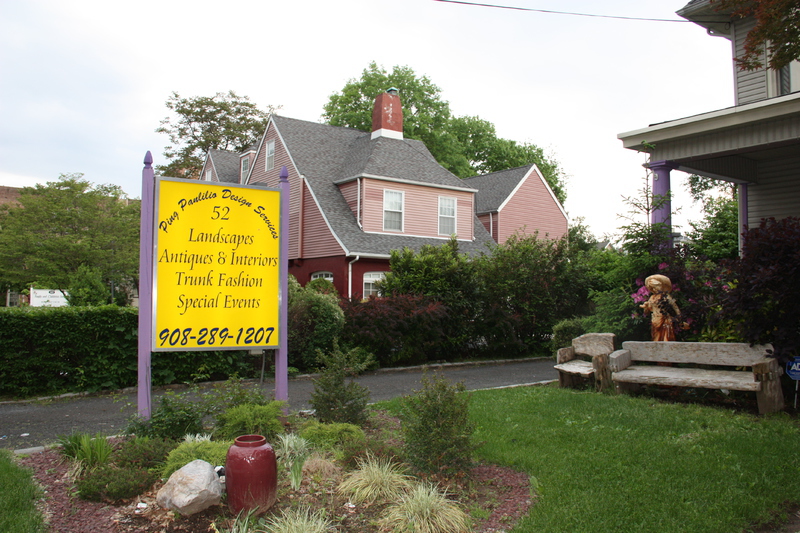 PING PANLILIO DESIGN SERVICES: Landscapes, Antiques & Special Events
Communities in Action
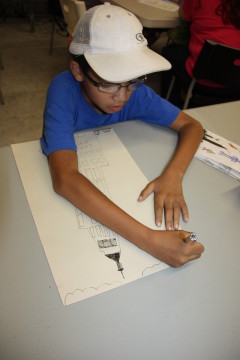
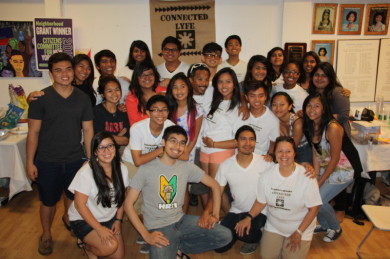 LYFE: Youth Program at Fil-Am Human Services( FAHSI), Hillside Queens, NY Aug. 17, 2013
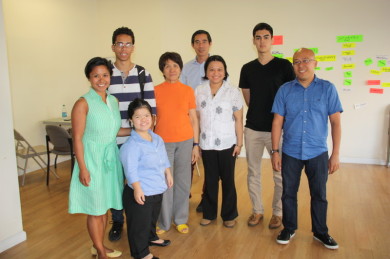 Rhodora Ursua, (Director) , Community Healthcare Workers and Volunteers at Kalusugan Coalition (2013)
 Breast Cancer Screening at Kalusugan Coalition, Woodside, NY Aug, 2013
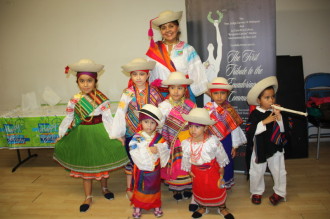
 The Fil-Am Community of Queens at Woodside, NY Aug, 2013
ORGANIZATIONS
AARP
AKA Wellness Circle
APICHA
Banig sa Bood
Brooklyn Partnerships
Church of Scientology
Diabetes Health and Wellness Academy
Divine Child Foundation
FAHNS (Fil-American Historical Society)
Flushing Chamber of Commerce
Immaculate Conception Church
Jaycees International NY Chapter
Las Islas Filipinas
Make Road New York
Mission of the Holy Eucharist
My Baryo,My Borough
Philippine Consulate
PPSEAWA
Sandiwaan Center for Learning
The Filipino School of New York, New Jersey
The Heart at Play Foundation
The Nursing Office Philippines
The 4th R Foundation
UNIPRO
UST College of Nursing, 1976
Voelker Orth Museum
Willamsburg Art & History
351 Media Movement
 Print
Print